Does Peel-and-Stick Backsplash Damage the Wall?
▲ Illustration — a tile being warmed with a hair dryer and peeled slowly from a corner.
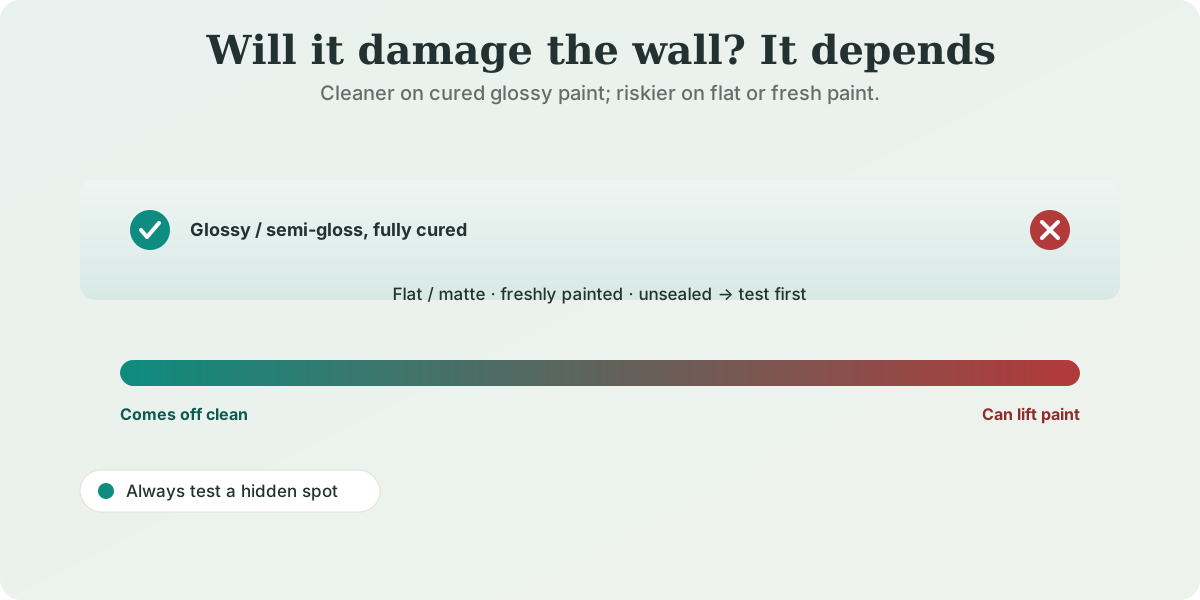
It depends on the surface — and no peel-and-stick tile brand promises unconditional “damage-free” removal. On a smooth, fully-cured, glossy or semi-gloss painted wall (or existing tile) it usually comes off cleanly if you warm it and peel slowly from a corner. On flat/matte paint, fresh paint, textured or unsealed walls it can pull paint, tear drywall paper, or leave adhesive residue — and some makers state damage is possible and disclaim liability. Test a hidden spot first.
Guidance is compiled from manufacturer FAQs and removal instructions, and cited in Sources.
"Damage-free"? Not exactly — read the fine print
No peel-and-stick tile maker we reviewed promises unconditional "damage-free" removal. Every claim is hedged with "depending on the surface": Smart Tiles say tiles "can be removed practically without damage, depending on the surface";[1] StickGoo and Tic Tac Tiles use the same "little to no damage, depending on the surface" wording — and Tic Tac Tiles adds plainly that "wallpaper and paint may come off with the adhesive backing."[3][2] Aspect is the most candid: asked if removal damages the wall, it answers "Yes, possibly … some repairs may be necessary," and for its wood tile states "ACP is not responsible or liable if you damage your walls."[4]
What decides whether it damages your wall
| Wall / condition | Clean removal? | Why |
|---|---|---|
| Smooth, glossy or semi-gloss painted wall (fully cured) | ✅ Usually clean | Harder, slicker paint releases the adhesive[6] |
| Flat / matte paint | ⚠️ May pull paint | Softer, more porous film bonds to the adhesive[6] |
| Freshly painted (< ~30–60 days) | ⚠️ Likely lifts | Uncured paint bonds to the adhesive — wait it out[5] |
| Unpainted drywall / textured / unsealed | ❌ High risk | Not a recommended surface; drywall paper can tear[2][6] |
Time matters too: tiles keep bonding after install (StickGoo notes full adhesion "generally after 48 hours"), so a sheet that's been up for years is harder to remove cleanly than one that went up last week.[3]
How to remove it with the least damage
Every brand recommends the same core method — heat, then peel slowly:
- Warm each tile with a hair dryer (or low heat gun) to soften the adhesive.[1][2][3]
- Peel slowly from a corner at a shallow (~45°) angle — pulling straight out toward you "pulls on the drywall paper" and can tear it.[6]
- For stronger adhesives (e.g. Aspect), ease a putty knife behind the tile as you go.[4]
- Clean residue by washing the wall; start with a little dish soap in warm water and step up to a citrus-based remover applied to a cloth — never poured on the wall.[1][6]
Is it really renter-safe?
Brands market tile as tenant-friendly — Smart Tiles call it an "ally … even if you are a tenant," StickGoo says it "can be used in rented homes or apartments"[1][3] — but each pairs that with the "depending on the surface" hedge, and Aspect disclaims liability for wall damage.[4] The honest position: on a smooth, fully-cured, glossy/semi-gloss wall it usually comes off cleanly; on the flat, builder-grade matte paint common in rentals, expect a higher chance of pulling paint. Test a small, hidden area first, as Tic Tac Tiles advises.[2]
What you may need
For the cleanest removal you'll typically want a hair dryer or low heat source, a plastic putty knife, and a gentle adhesive remover.
- Plastic putty knife / scraper
- Adhesive remover (citrus-based)
- Mild cleaner for residue
- Touch-up paint (if a spot lifts)
Affiliate disclosure: HowToApplyNow may earn a commission from qualifying purchases made through links on this page, at no additional cost to you. Products are added only after we vet the program and the terms — and only when a specific product's own instructions support their use for this task.
FAQ
Does peel-and-stick backsplash damage the wall?
It can, depending on the surface. On smooth, fully-cured, glossy or semi-gloss paint it usually removes with little to no damage; on flat/matte paint, fresh paint, textured or unsealed walls it can pull paint or leave residue. No tile brand promises unconditional damage-free removal.
Will it pull the paint off?
It can — Tic Tac Tiles and WallPops (FloorPops) both note paint can lift with the adhesive, especially on flat or freshly painted walls. Semi-gloss and gloss, fully-cured paint releases it more cleanly.
How do I remove it without damaging the wall?
Warm each tile with a hair dryer to soften the adhesive, then peel slowly from a corner at about a 45° angle (not straight out, which tears drywall paper). Use a putty knife for stronger adhesives, and clean residue with mild soap or a citrus remover on a cloth.
Is peel-and-stick tile renter-safe?
Brands market it as renter-friendly but hedge every claim with 'depending on the surface,' and Aspect disclaims liability for wall damage. On common flat rental paint the risk of pulling paint is higher — test a small hidden area first.
Sources
Research-first: primary manufacturer FAQs/removal pages; one manufacturer blog labeled where used for technique detail.
- Smart Tiles — FAQ (removable "practically without damage, depending on the surface"; hair-dryer method; wash off residue; renter framing). thesmarttiles.com
- Tic Tac Tiles — FAQ ("little to no damage depending on the surface"; "wallpaper and paint may come off"; heat-gun method; test first). tictactiles.com
- StickGoo — Buying guide ("little to no damage, depending on the surface"; blow-dryer method; 48-hr full adhesion; usable in rentals). stickgoo.com
- Aspect — FAQ (removal damage "possible … repairs may be necessary"; adhesive "engineered not to be removed"; "not responsible or liable if you damage your walls"; putty-knife method). aspectideas.com
- WallPops — FAQ (decals/NuWallpaper "without damaging walls" vs FloorPops "likely to lift the paint" + residue; wait 30–60 days after fresh paint). wallpops.com
- Stickwoll — Removal guide — brand blog (peel from a corner at 45° to avoid tearing drywall paper; semi-gloss/gloss releases better than flat/matte; residue cleanup ladder). stickwoll.com
Claims range from "practically without damage" (hedged) to "damage possible, not liable" (Aspect) — the range is shown, not smoothed over. Sources last reviewed: August 2026.