How to Remove Peel-and-Stick Wallpaper
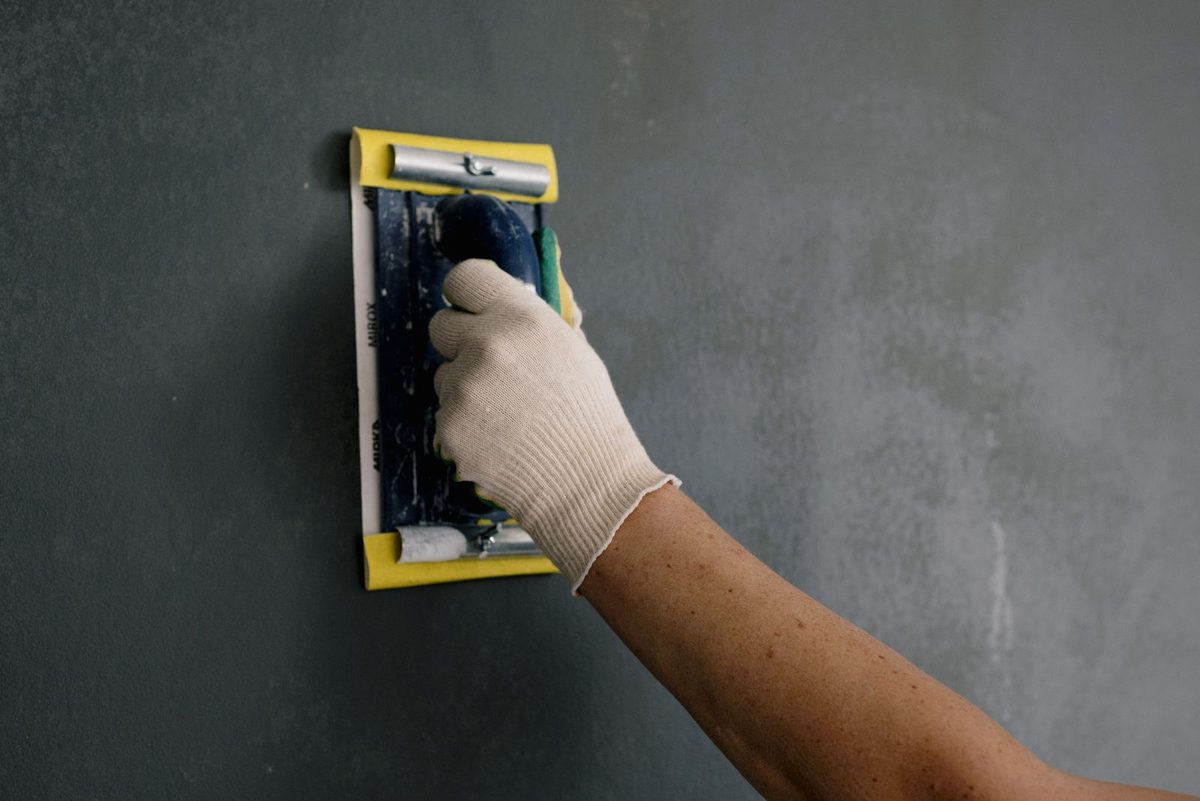
Removing peel-and-stick wallpaper safely is about heat and patience, not force. Start at a top corner, peel slowly keeping the paper parallel to the wall,[2] and warm the adhesive with a hair dryer, steamer or heat gun 3–6 inches away, softening it section by section as you go down.[1] Pulling hard or fast is what tears paint. For any sticky residue, wipe with distilled white vinegar or an adhesive remover, testing a hidden spot first.[1]
Guidance is compiled from manufacturer instructions and reputable home-improvement sources, cited in Sources.
Before you start
Removal is easiest when the paper has been up a reasonable time — about one to three years; left much longer, the adhesive bonds harder and fights you more.[1] Walls painted in glossy, semi-gloss, satin or eggshell release the paper with the least paint lifting; flat or matte paint is the trickiest.[1] Turn off the power and take off outlet and switch covers so you can peel behind the edges.
What you'll need
A hair dryer, garment steamer or heat gun, a plastic putty knife or an old card to lift a corner, a sponge, distilled white vinegar or a commercial adhesive remover, and a cloth to wipe dry.[1]
Step 1 — Lift a corner and peel slowly
Start at a corner — the top usually works best — and ease the paper up with your fingers or a plastic card. Then peel slowly, keeping the paper parallel to the wall rather than pulling it straight out.[2] A low, shallow angle lets the adhesive release instead of grabbing the paint. If the paper tears, just find the next corner and keep going.
Step 2 — Add heat as you go
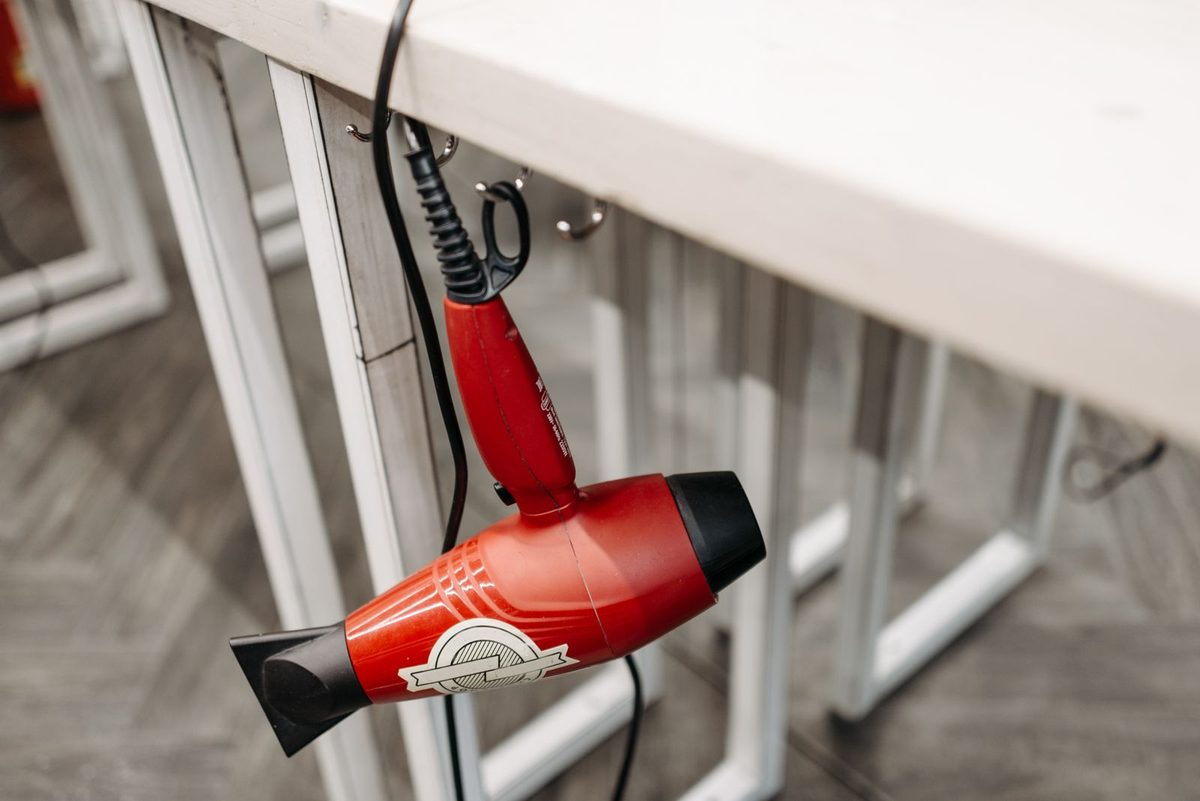
Where the adhesive resists, warm it with a hair dryer, steamer or heat gun held about 3–6 inches from the wall, softening one section at a time and working downward.[1] Heat is what turns a paint-lifting fight into a clean peel — give each stubborn patch a few seconds before you pull.
Step 3 — Never rush the pull
The one rule that protects your walls: peel slowly. Rushing or pulling hard risks tearing the paint.[1] If a strip won't give, stop and add more heat rather than forcing it. Patience here is the difference between a clean wall and a patch-and-paint job.
Step 4 — Clear any adhesive residue
Some paper leaves a faint sticky film. Dampen a sponge with distilled white vinegar or a commercial adhesive remover and wipe it away, then wipe the wall dry.[1] Test an inconspicuous spot first so you know the cleaner won't affect the paint, and keep liquids light near outlets.[1]
Step 5 — Finish and inspect
Let the wall dry fully and check it in good light. A clean removal usually needs nothing more; any tiny nick can be touched up with a dab of matching paint. If the paper had been lifting on its own before you started, our falling-off guide explains why — useful before you re-paper.
FAQ
How do you remove peel-and-stick wallpaper without damaging the wall?
Start at a corner, peel slowly keeping the paper parallel to the wall, and warm the adhesive with a hair dryer or steamer as you go. Pulling hard or fast is what lifts paint.
Does a hair dryer help remove peel-and-stick wallpaper?
Yes. Holding a hair dryer, steamer or heat gun about 3-6 inches away softens the adhesive section by section so the paper releases instead of taking paint with it.
How do you get sticky residue off the wall after removal?
Wipe it with distilled white vinegar or a commercial adhesive remover on a sponge, testing a hidden spot first, then wipe the wall dry.
Will removing peel-and-stick wallpaper ruin my paint?
Not if you go slow and add heat. Rushing is the main cause of torn paint. Glossy, satin and eggshell finishes release most cleanly; flat paint and very old installs are riskier.
Is it harder to remove if it's been up for years?
Yes. One to three years keeps removal easy; much longer and the adhesive bonds harder, so you'll need more heat and patience.
Sources
- Angi — does peel-and-stick wallpaper damage walls — paint finishes, cure time, heat removal, residue. angi.com
- Bob Vila — how to apply peel-and-stick wallpaper (smooth walls, cleaning, ¼-inch overlap, trimming). www.bobvila.com