Can You Put Peel-and-Stick Wallpaper on Textured Walls?
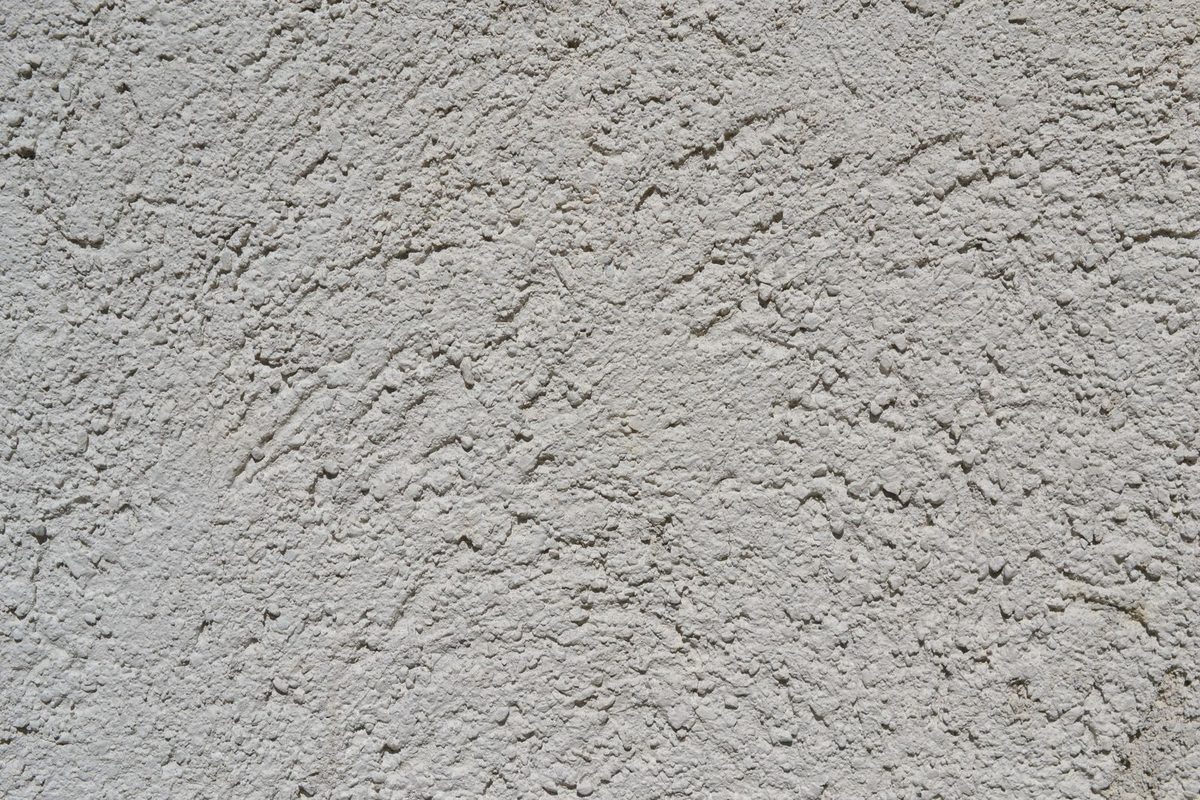
You sometimes can, but texture is the hardest surface for peel-and-stick: the manufacturer doesn’t recommend it, though light textures like a slight orange peel can work.[2] Even when it sticks, the texture usually shows through the print, and deep texture can stop the paper bonding at all.[1][2] Your best odds come from thick, dark, busy-patterned paper, prepping the wall (scrape bumps, or skim-coat/line for a smooth base), and always testing a sample for a few days first.[1][2]
Guidance is compiled from manufacturer instructions and reputable home-improvement sources, cited in Sources.
The honest answer: it depends on the texture
Most peel-and-stick can go on some textured walls, but adhesion and how much texture shows depend on the product and how deep the texture is.[1] Tempaper is blunt about it: their paper is generally not recommended for textured walls, though it may work on light textures.[2] Two things work against you — the adhesive has less flat surface to grip, and trapped air behind the bumps is a main reason the paper fails to stick.[2]
How each texture behaves
Orange peel (light): the easiest — the paper may stick, though the texture can still show through.[1][2]
Knockdown: flatter, stucco-like; the paper can adhere, but the texture will likely be visible.[1]
Slap brush / skip trowel / swirl: wide, flat lines may take paper, but the pattern can cause wrinkling, and narrow lines are harder — no texture is guaranteed.[1][2]
Popcorn: usually on ceilings; its rough bits "will look rough underneath wallpaper and can even damage some wallpapers," so removing it first is the better option.[1]
Texture depth is the deciding factor — deeper grooves show more and are likelier to keep the paper from sticking at all.[1]
Even if it sticks, will you see the texture?
Often, yes. Both the manufacturer and Bob Vila are clear that texture can still show through the print, and Tempaper won't guarantee it's hidden.[2][1] That's a look worth deciding on before you commit a whole wall.
How to hide texture (if you won't smooth the wall)
Stack the odds in your favour: choose thick paper, which masks imperfections better than thin;[1][2] pick dark colours and busy or intricate prints, which distract from the bumps;[1][2] and consider a deliberately textured style like grasscloth or burlap, which hides a rough wall well.[1][2]
How to prep a textured wall for a smooth result
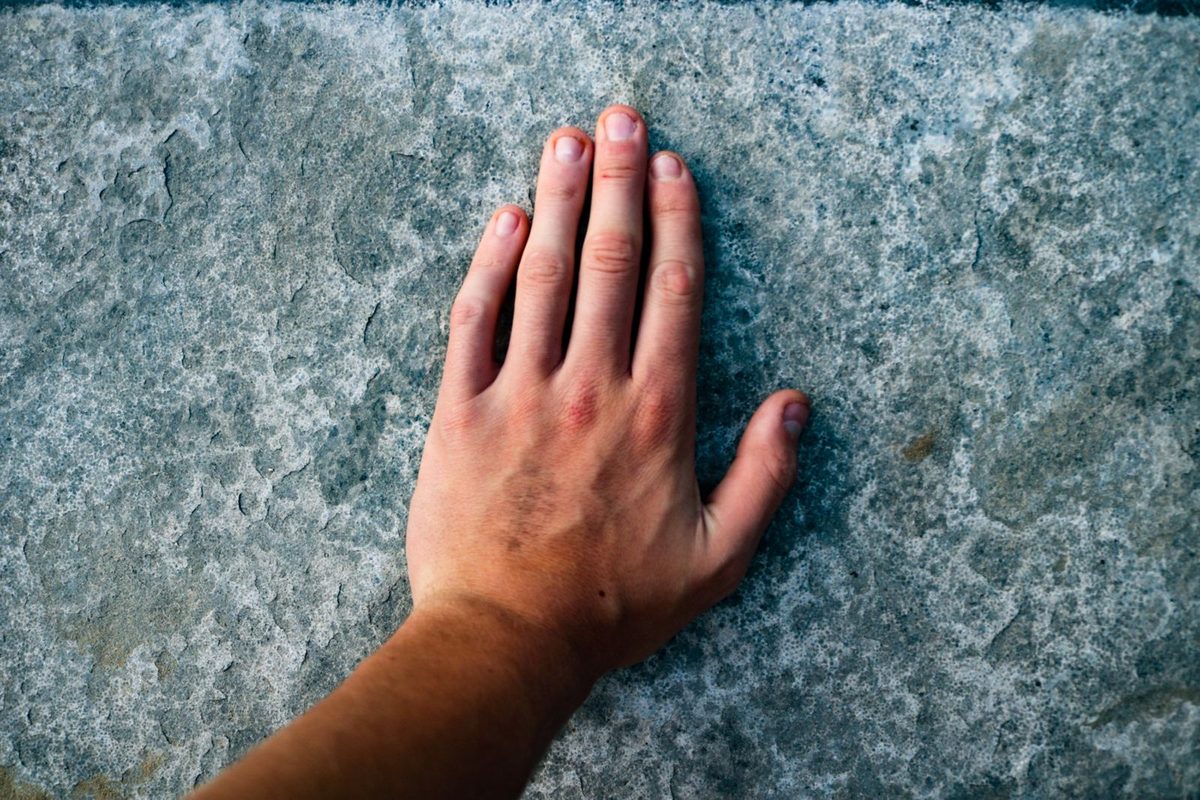
For the best finish, make the wall smoother first. Tempaper says to scrape off any large bumps that bulge noticeably and clean the wall with a damp cloth, then let it dry.[2] For a fuller fix, Bob Vila's options are to scrape the texture, fill with joint compound and sand, use a heavyweight liner paper between wall and wallpaper, or skim-coat the wall for a smooth base.[1]
Where not to try it
Avoid textured walls in humid rooms — bathrooms, laundry rooms, basements — since texture can trap moisture and encourage mould; smooth the wall first if you must paper there.[1]
FAQ
Can you put peel-and-stick wallpaper on textured walls?
Sometimes. Light textures like a slight orange peel can work, but manufacturers generally don't recommend it, and popcorn or deep textures usually won't hold or will show through. Always test a sample first.
Will the texture show through peel-and-stick wallpaper?
Often, yes. Even when the paper sticks, texture can telegraph through the print — manufacturers won't guarantee it's hidden. Thick, dark, busy-patterned paper hides it best.
What's the best peel-and-stick wallpaper for textured walls?
Thick paper in a dark colour or busy print, or a deliberately textured style like grasscloth, hides bumps best. Heavier adhesives also hold better on rough surfaces.
How do you prep a textured wall for wallpaper?
Scrape off large bumps and clean the wall, or for a smooth base scrape and skim-coat with joint compound and sand, or apply a heavyweight liner paper first.
Can you put peel-and-stick wallpaper over popcorn texture?
It's not advised — popcorn looks rough under wallpaper and can even damage the paper. Removing or smoothing the texture first gives a far better result.
Sources
- Bob Vila — wallpaper on textured walls — texture types, hiding texture, prep (skim coat, liner). www.bobvila.com
- Tempaper — manufacturer guidance on textured walls (test a sample, scrape bumps, thick/dark paper). tempaper.com