How to Remove Window Film Without Damaging the Glass
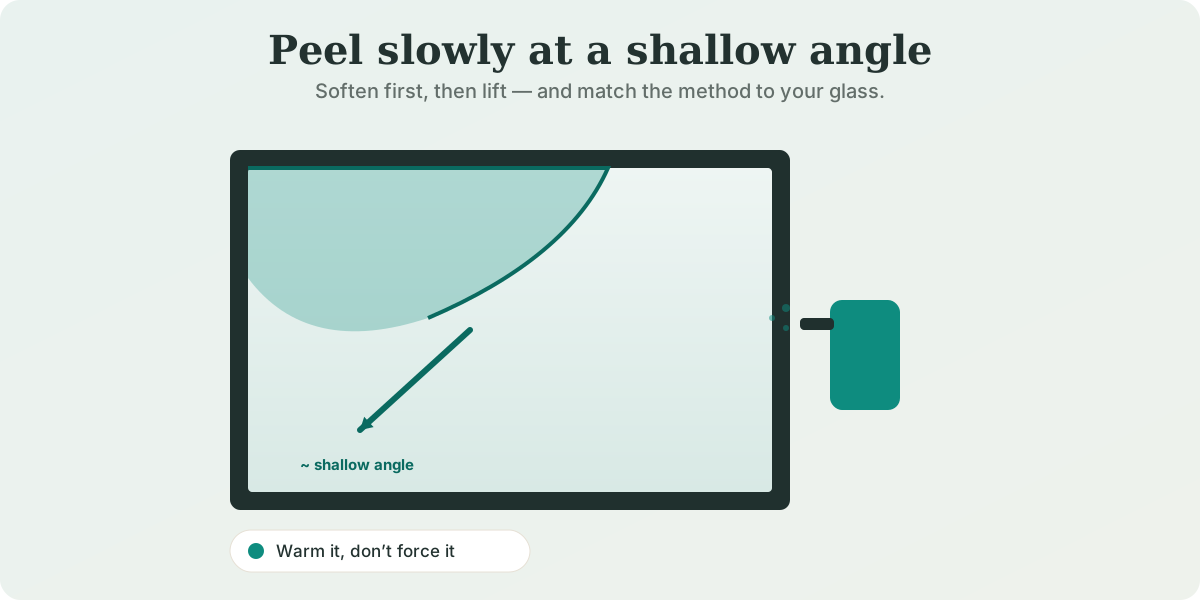
▲ Illustration — softening adhesive film with a steamer, then peeling it back slowly at a shallow angle.
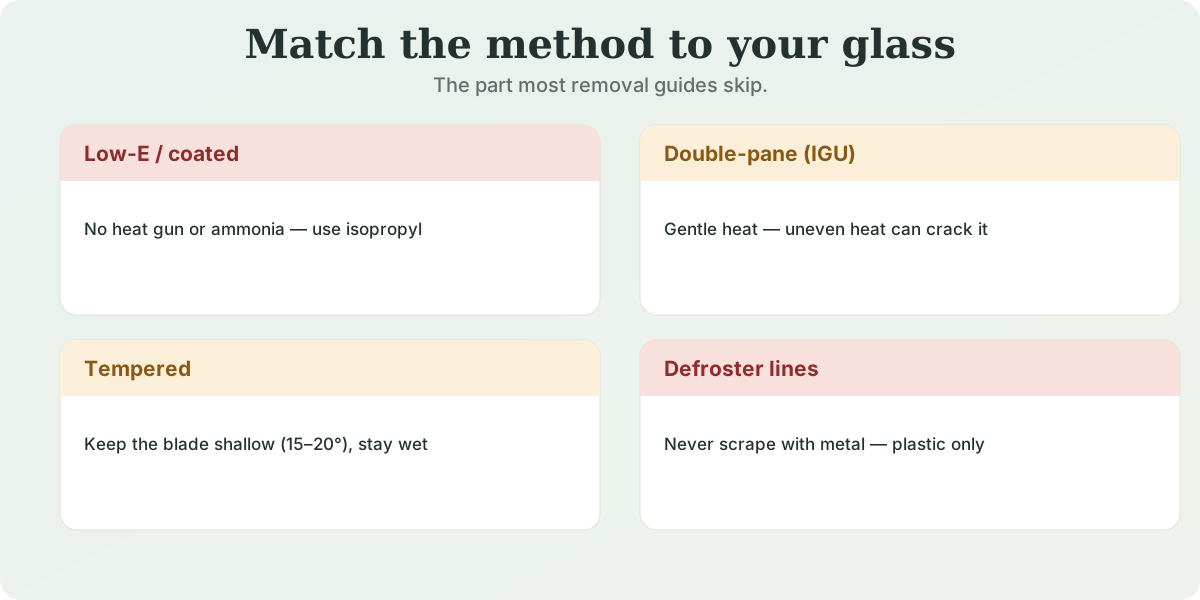
The safe way starts with identifying your glass: Low-E/coated, double-pane, tempered, or defroster-lined glass each rules a method in or out. Static-cling film usually peels off with no heat or chemicals. Adhesive film needs softening — warm it or soak it wet, then peel slowly at a shallow angle and shave the residue while the glass stays wet. Skip heat guns and ammonia on Low-E, go gentle on double-pane, keep blades shallow on tempered, and never scrape defroster lines with metal.
Removal steps are from manufacturer instructions; the glass-type safety points draw on reputable secondary sources, labeled in Sources.
- Low-E / coated glass: avoid heat guns and ammonia — they can degrade the metallic coating; use isopropyl alcohol and gentle heat only.[4]
- Double-pane / insulated units (IGU): uneven heating can thermally stress and crack the pane — go gentle with heat, or use the soak method.[5]
- Tempered glass: a blade at the wrong angle leaves permanent micro-scratches — keep it shallow (about 15–20°), keep the glass wet, and use a fresh blade.[4]
- Defroster/heating lines: never scrape with a metal blade — Gila says use paper towels or non-scratching pads over the wires.[1]
- Ammonia method: ventilate well and wear gloves/eye protection; don't do it in a closed room.[4]
Step-by-step removal
Identify your glass first — it decides the safe method
Before any heat or chemical, check what you have: Low-E / coated glass, a double-pane (insulated) unit, tempered glass, or a pane with defroster lines. Each rules a method in or out (see the safety box). This one check is what protects the glass.[4][5]
Soften the adhesive with heat or a soak — the safe way for your glass
For adhesive film on ordinary annealed glass, warm it with a hair dryer or steamer, or soak it with soapy water (or a film-removal solution) under plastic so it stays wet. Not for every glass: skip heat guns and ammonia on Low-E and be cautious on double-pane — see the safety box below.[1][4]
Peel slowly at a shallow angle
Once softened, pull the film back on itself at a low, shallow angle and go slowly so it lifts in large pieces instead of tearing. Keep the surface wet as you go.[4]
Getting the adhesive residue off
Residue lifts by soaking, not scrubbing. Keep the glass wet with your removal solution until the adhesive goes milky, then shave it with a plastic scraper or a fresh razor at a shallow angle — Gila's own instructions have you shave downward "while the glass stays wet."[1] On Low-E or coated glass, reach for isopropyl alcohol rather than a heat gun or ammonia.[4] 3M's care guidance is blunt about tools: don't use knives, scrapers or abrasive materials on the glass surface.[2]
Static cling comes off the easy way
If you have static-cling film, you generally don't need heat or chemicals at all — it has no adhesive, so it peels off quickly and can even be re-used if you keep it clean and flat.[6] That's the one case where "remove without damaging the glass" is nearly automatic.
What you may need
A hair dryer or steamer, a spray bottle with soapy water or a film-removal solution, a plastic scraper (and a fresh razor for stubborn residue on suitable glass), isopropyl alcohol for coated glass, and lint-free cloths.
- Plastic scraper / razor (shallow angle)
- Film-removal solution
- Isopropyl alcohol (for coated glass)
- Lint-free microfiber cloths
Affiliate disclosure: HowToApplyNow may earn a commission from qualifying purchases made through links on this page, at no additional cost to you. Products are added only after we vet the program and the terms — and only when a specific product's own instructions support their use for this task.
FAQ
How do you remove window film without scratching the glass?
Identify the glass first, then soften adhesive film with heat or a wet soak, peel slowly at a shallow angle, and shave residue while the glass stays wet with a plastic scraper or a fresh blade at a low angle. Avoid knives, abrasive pads and dry scraping — 3M specifically warns against them.
Can you remove window film from Low-E or double-pane glass?
Yes, but carefully. On Low-E/coated glass, avoid heat guns and ammonia (they can degrade the coating) and use isopropyl alcohol with gentle heat. On double-pane insulated units, uneven heating can thermally stress and crack the pane, so go gentle with heat or use the soak method.
Does static-cling window film need chemicals to remove?
No. Static-cling film has no adhesive, so it usually peels off quickly with no heat or chemicals, and can often be re-used if kept clean and flat. That's the easiest 'remove without damage' case.
How do you get adhesive residue off after removing window film?
Soak it, don't scrub it. Spray the residue with soapy water or a film-removal solution and let it turn milky, then shave it off with a plastic scraper or fresh blade at a shallow angle while the glass stays wet. Use isopropyl alcohol on coated glass.
Is a razor blade safe to use on window glass?
Only with care and not on every glass. Keep the blade at a shallow angle (about 15–20°) on wet tempered glass with a fresh edge, and never scrape defroster/heating lines with metal — use paper towels or non-scratching pads there, as Gila advises.
How do you remove window film from a glass window?
The core method is the same for any home window: identify the glass, lift a corner to tell cling from adhesive, then soften adhesive film with heat or a wet soak, peel it back slowly at a shallow angle, and lift any residue while the glass stays wet. Work the full step-by-step above, and match the method to your glass using the safety box.
Is removing car window tint the same as this?
No — this guide is for flat home and building glass. Automotive tint sits on curved glass and often over rear-window defroster lines, which metal blades can sever, so car tint follows a different removal process. Use an automotive-specific guide for a vehicle.
Sources
Research-first: manufacturer removal/care instructions for the method; glass-type safety cautions (Low-E, IGU thermal stress, tempered, defroster) from labeled secondary sources. Where a Gila DIY recipe and Gila's own instruction sheet differ on metal blades, we apply the stricter, context-specific rule (no metal on defroster lines).
- Gila — Window film adhesive-remover instructions (spray, cover with plastic, retest every ~30 min; soak residue until milky then shave with glass wet; no razor blades over defroster wires; work at 65–75 °F). gilafilms.com
- 3M — Window film care & cleaning technical bulletin (do not use knives, scrapers or abrasive materials on the film/glass surface). 3m.com
- LLumar — Architectural window film FAQ (film "can be removed without causing any damage to the glass… even after staying in place for years"; avoid hard/sharp/metallic objects). llumar.com
- Window Film Depot — How to remove window tint the right way — secondary (heat/ammonia can degrade Low-E coatings within minutes → isopropyl only; tempered scratches are permanent, keep blade shallow; heat-gun temps). windowfilmdepot.com
- NBI Sun Control — Window film on double-pane windows — secondary (uneven heating on an insulated glass unit can cause thermal-stress cracking). nbisuncontrol.com
- Purlfrost — How to remove window film — secondary (static-cling film has no adhesive and peels off quickly without tools; score large panes into strips before peeling). purlfrost.com
"Damage-free" removal is real on ordinary glass with the right method, but the honest risk is glass-type specific — so the method is matched to Low-E, double-pane, tempered and defroster glass rather than given as one universal routine. Sources last reviewed: August 2026.