Does Contact Paper Last? An Honest Durability Guide
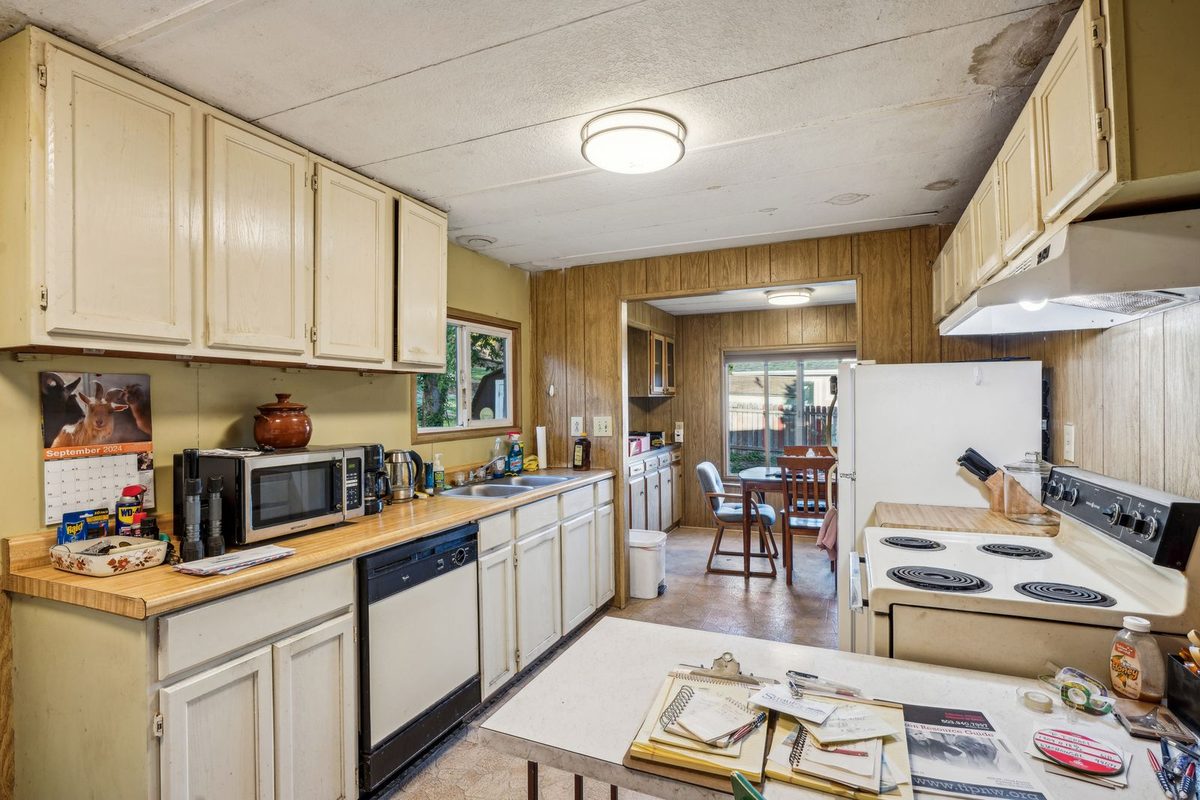
There’s no fixed lifespan for contact paper — how long it lasts depends on heat, moisture and wear. It’s heat-resistant to about 170 °F and water-resistant, but not proof,[3] so it holds up for years as a low-wear, temporary finish (shelves, accent cabinets, a rental refresh) and fails faster in high-heat, high-moisture, high-scrub spots. Treat it as a reversible style update, not a permanent surface.
Guidance is compiled from the film maker's tips and reputable home-improvement sources, cited in Sources.
How long does contact paper last?
Honestly, there’s no single answer. Its life is decided by where you put it and how you use it. On a decorative shelf or low-traffic cabinet, a careful install can look good for years; on a hard-used counter, the same film might lift or scratch in months. The useful question isn’t “how many years?” but “will my conditions let it last?”
What it resists — and what it doesn't
Per Bob Vila, d-c-fix film is heat-resistant to about 170 °F and water-resistant — but not heatproof or waterproof.[3] In practice: direct heat from hot pans loosens the adhesive; standing water and steam creep under seams over time; and it scratches — abrasive pads dull it, and it “can peel at the edges, bubble, or tear if scraped or cut.”[3]

Where it lasts longest (and fails fastest)
Lasts well: open shelves, cabinet interiors, low-traffic doors away from the stove, a gently used vanity or furniture, and any rental refresh you’ll reverse later.
Fails faster: countertops you cook and cut on, cabinets beside the stove or oven, inside a shower or tub, and high-touch edges.
Does the surface underneath matter?
Yes. Contact paper only bonds to a smooth, clean, dry surface,[2] and the better that bond, the longer it stays put. Grease, dust or moisture at install time is the usual reason an edge lifts early.[2]
How to make it last longer
Install on a clean, degreased, dry surface; wrap edges instead of cutting exact; use trivets and cutting boards; wipe gently (no abrasives); dry spills fast; and press any lifting edge back early with a hair dryer.[1][3]
When it's worn out, does it come off cleanly?
That’s the upside of a temporary finish: it removes from most surfaces without damage when you peel carefully, and warming stubborn spots with a hair dryer helps.[3] Even a bubbled or lifted film usually comes off cleanly — see our removal guide.
FAQ
Does contact paper last on countertops?
It can, but counters are tough — heat, knives, water and scrubbing shorten its life. Protect it with trivets and cutting boards and treat it as a temporary refresh.
Is contact paper permanent?
No. It's a temporary, removable finish — water- and heat-resistant, not proof — and removes from most surfaces without damage when peeled carefully.
Does contact paper peel off over time?
It can, especially at edges and in heat or moisture. A clean install, wrapped edges, and keeping it dry and cool slow this down.
Is contact paper waterproof?
No — it's water-resistant. It handles splashes and wiping, but standing water and steam get under the edges over time.
How do I know if contact paper will last in my spot?
Ask: is the surface smooth, clean and dry? Is it away from direct heat? Will it avoid standing water and heavy scrubbing? The more 'yes', the longer it lasts.
Sources
- d-c-fix — Application tips for adhesive films. d-c-fix.com
- d-c-fix — FAQ & useful information (smooth, clean, dry surface). d-c-fix.com
- Bob Vila — Contact paper durability, heat/water limits, and damage-free removal. bobvila.com