How to Apply Contact Paper to Countertops
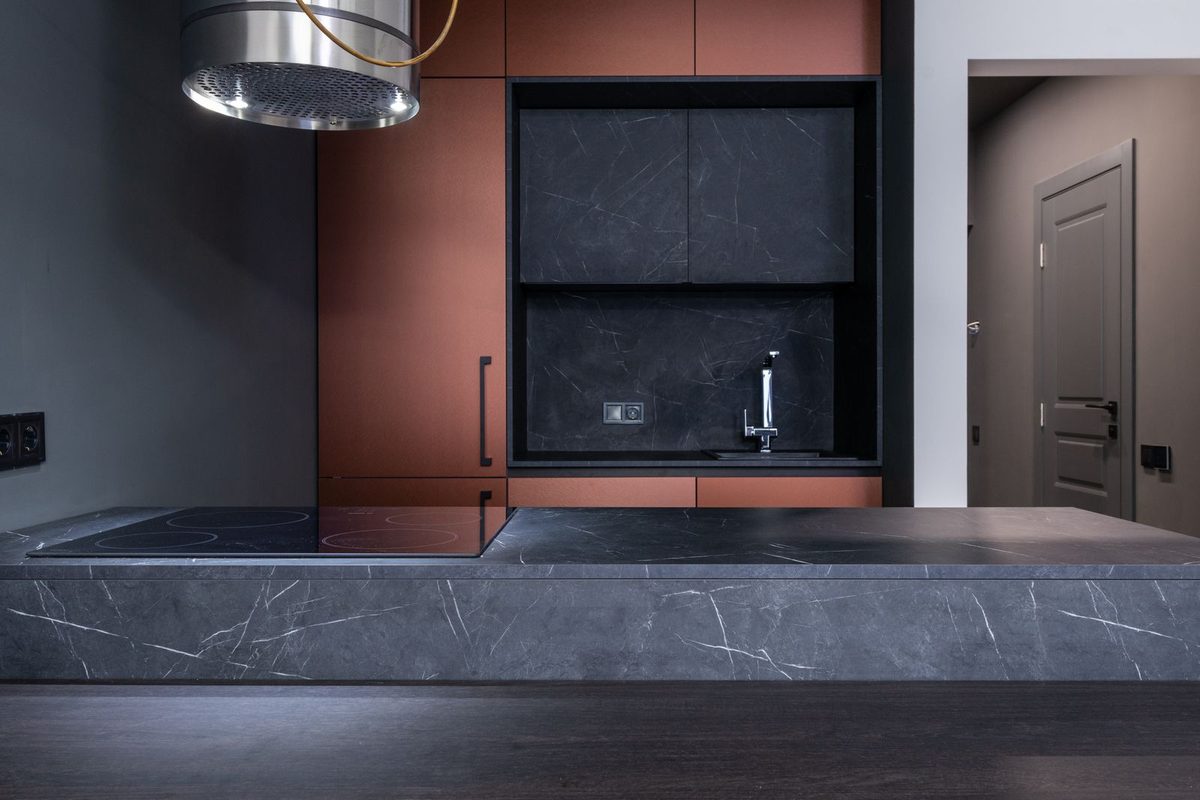
Contact paper is a budget, renter-friendly way to refresh a countertop in an afternoon. Clean and dry the surface, cut the film a little oversized, peel the backing gradually, and smooth from the centre outward. It’s heat-resistant to about 170 °F and water-resistant — not heatproof or waterproof,[3] so protect it with trivets and cutting boards. Done carefully, it removes later without damaging most surfaces.[3]
Guidance is compiled from the film maker's tips and reputable home-improvement sources, cited in Sources.
What you'll need
A tape measure, a pencil, a utility knife or sharp scissors, and a smoothing tool (a plastic scraper, an old gift card, or a squeegee). Many rolls have a measuring grid on the backing for straight cuts.[1] A hair dryer helps with a curved front lip or backsplash.[1]
Step 1 — Clean and dry the surface
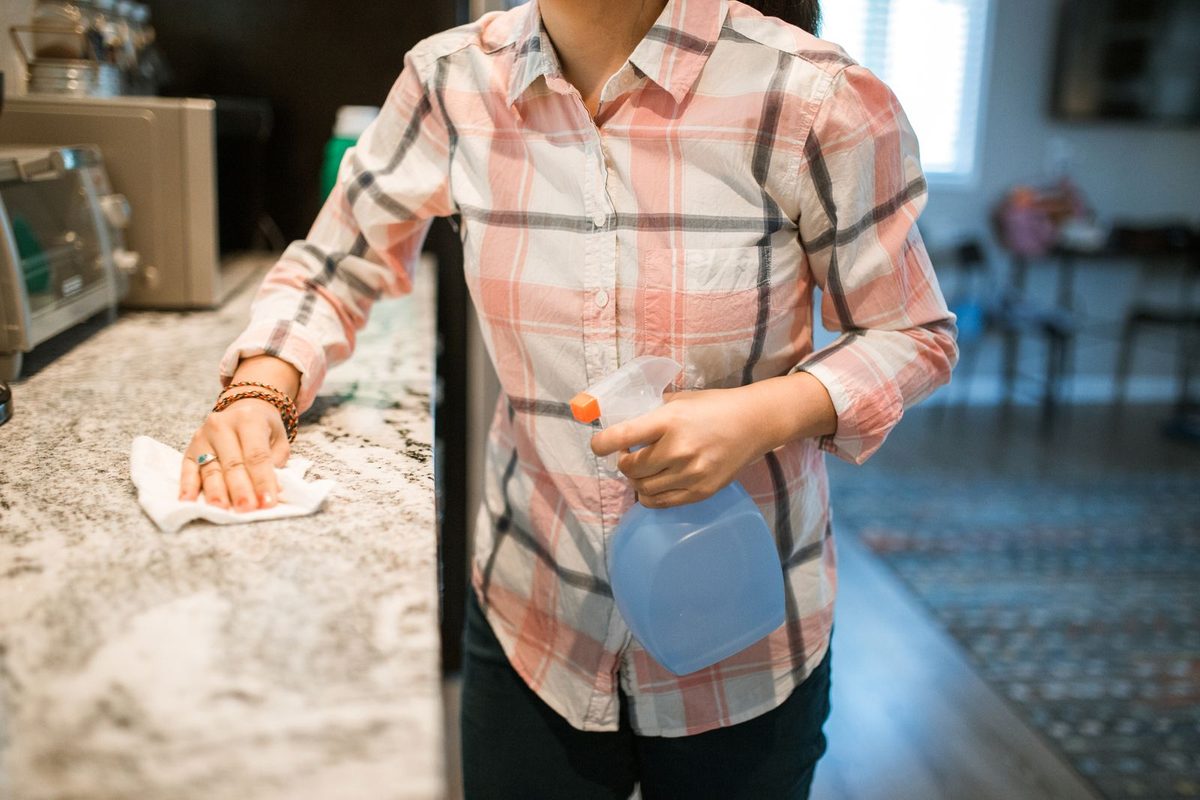
Contact paper only bonds to a smooth, clean, dry surface; grease, dust or moisture is the usual reason an edge lifts later.[2] Wipe the counter with a degreasing cleaner, then let it dry completely.
Step 2 — Measure and cut
Cut the film slightly larger than the area (an extra inch each side gives room to trim). Use the grid backing for straight lines, and cut around sinks and fixtures last.[1]
Step 3 — Peel gradually and apply
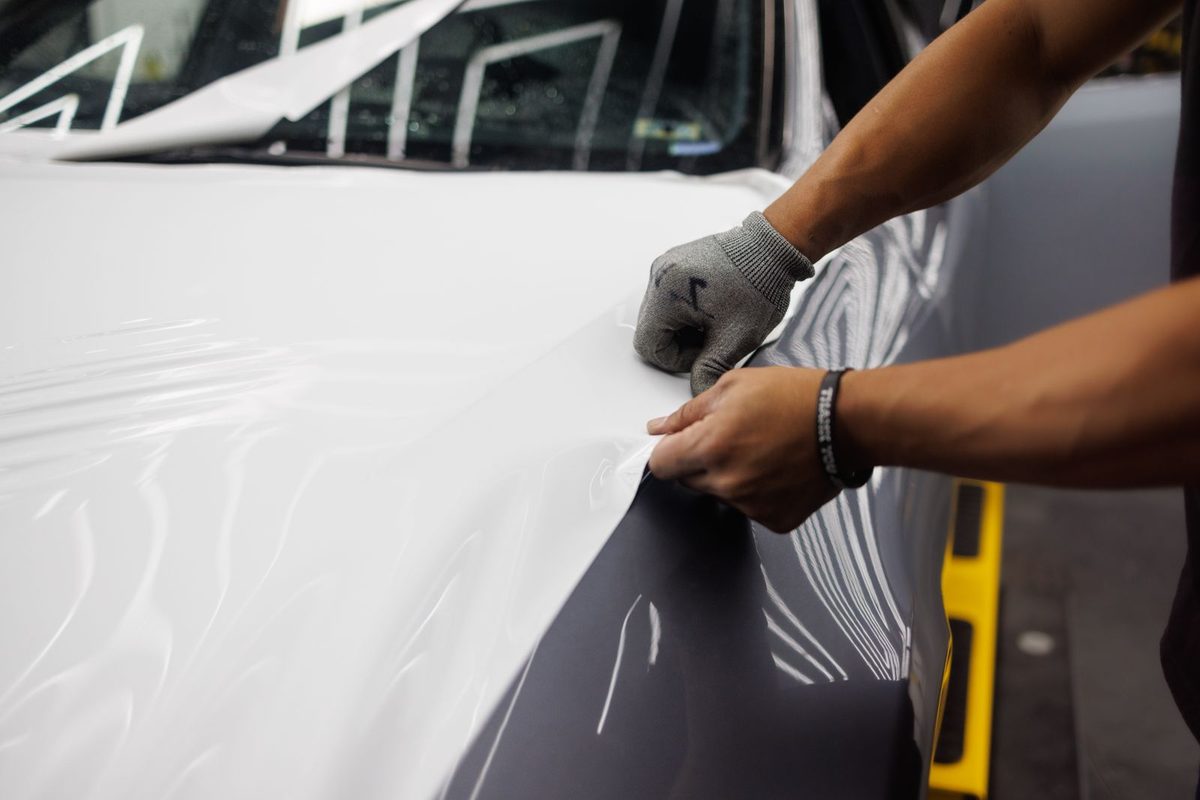
Peel the backing a little at a time — don’t strip it all at once — and lay the film down section by section, smoothing from the centre outward so air escapes to the edges.[1] Full adhesion takes several hours, so the film stays repositionable if it goes on crooked.[1]
Step 4 — Edges, corners and the backsplash
For a front lip or small backsplash, warm the film with a hair dryer on low to make it pliable, then ease it around the curve.[1] Trim the overhang with a utility knife held flat for a clean line.
How well does it hold up? (The honest part)
d-c-fix film is heat-resistant to about 170 °F and water-resistant — but not heatproof or waterproof.[3] So: don’t put hot pots or pans directly on it (use trivets), don’t cut on it (use a board), and avoid abrasive pads. It “can peel at the edges, bubble, or tear if scraped or cut,” and isn’t meant to compete with granite or quartz.[3] As a temporary, careful-use refresh, it holds up well.
How to remove it later
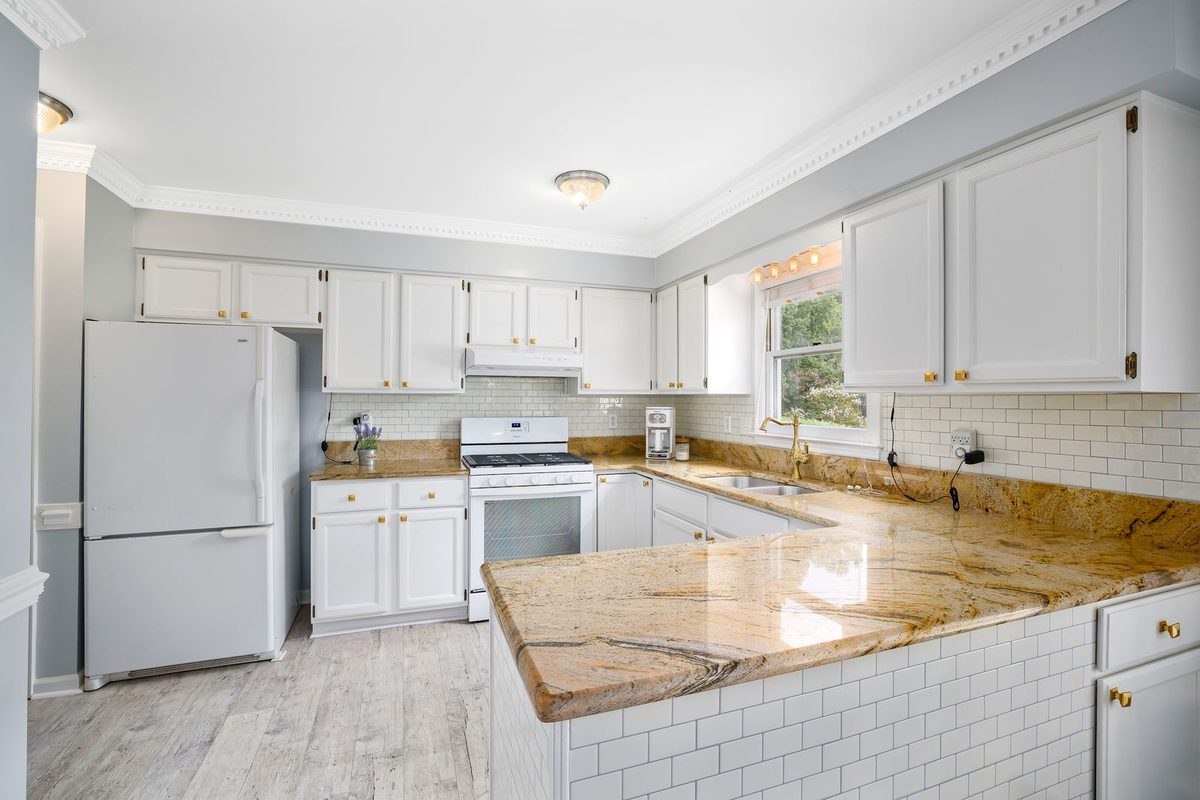
Peel from a corner; if it resists, warm it with a hair dryer to loosen the adhesive.[3] Done this way it comes off most surfaces — wood, laminate, quartz, granite — without damage.[3] See our full removal guide for details.
FAQ
Is contact paper safe for kitchen countertops?
Yes, for everyday careful use. It's water-resistant and heat-resistant to about 170°F, but not heatproof or waterproof — use trivets and cutting boards and avoid abrasives.
Will contact paper damage my countertops?
Generally no, when removed carefully: it comes off most surfaces (wood, laminate, quartz, granite) without damage, and a hair dryer helps loosen stubborn spots.
How long does contact paper last on a countertop?
There's no fixed lifespan — it depends on use and care. As a temporary refresh it holds up; heat, cutting or abrasive scrubbing wear it out sooner.
How do I stop contact paper from bubbling?
Start with a clean, dry surface, peel the backing gradually, and smooth from the centre outward so air escapes to the edges. Prick any trapped bubble with a fine needle.
Can I put contact paper over a tiled counter?
It needs a smooth, flat surface. Smooth laminate works well; a tiled counter with grout lines isn't flat, so the film won't sit evenly over the grout.
Sources
- d-c-fix — Application tips for adhesive films. d-c-fix.com
- d-c-fix — FAQ & useful information (smooth, clean, dry surface). d-c-fix.com
- Bob Vila — Contact paper durability, heat/water limits, and damage-free removal. bobvila.com