Do Peel-and-Stick Tiles Need Grout?
No — peel-and-stick tiles don’t need grout. They’re designed to fit tightly together, so grout is optional and purely a style choice that makes them read more like traditional tile.[1][2] Two catches: not all peel-and-stick tiles are "groutable", so confirm before buying, and grout is for looks, not water protection.[1] Many backsplash tiles even have printed faux-grout lines, so they need no real grout at all.[1]
Guidance is compiled from manufacturer instructions and reputable home-improvement sources, cited in Sources.
Do they need grout? No.
Standard peel-and-stick tiles set tightly against each other when installed,[2] so there’s no open joint to fill — grout is optional, and most installs skip it entirely.[1] Plenty of peel-and-stick backsplash tiles go further and have grout lines printed right into the design, giving the tiled look with zero grouting.[1]
Groutable vs. not — check before you buy
This is the key step: not every peel-and-stick tile accepts grout.[1] A "groutable" vinyl tile is made for it (you leave a gap and fill it); a standard one is made to butt tight and isn’t designed to be grouted. Confirm the product is labelled groutable before you plan a grouted look.[1]
Why grout them at all?
One honest reason: the look. Grout gives a finished, higher-end finish that mimics real tile at a lower cost.[1] What grout does not do here is make the floor or wall waterproof — the source doesn’t support grouting for water protection, so treat it as cosmetic.[1]
How to grout peel-and-stick tile (if you choose to)
If you’ve bought groutable tiles and want the look:
1. Prep. Make sure the surface is clean and level; if the old floor had grout lines, fill them level with the tiles first and let it dry.[1]
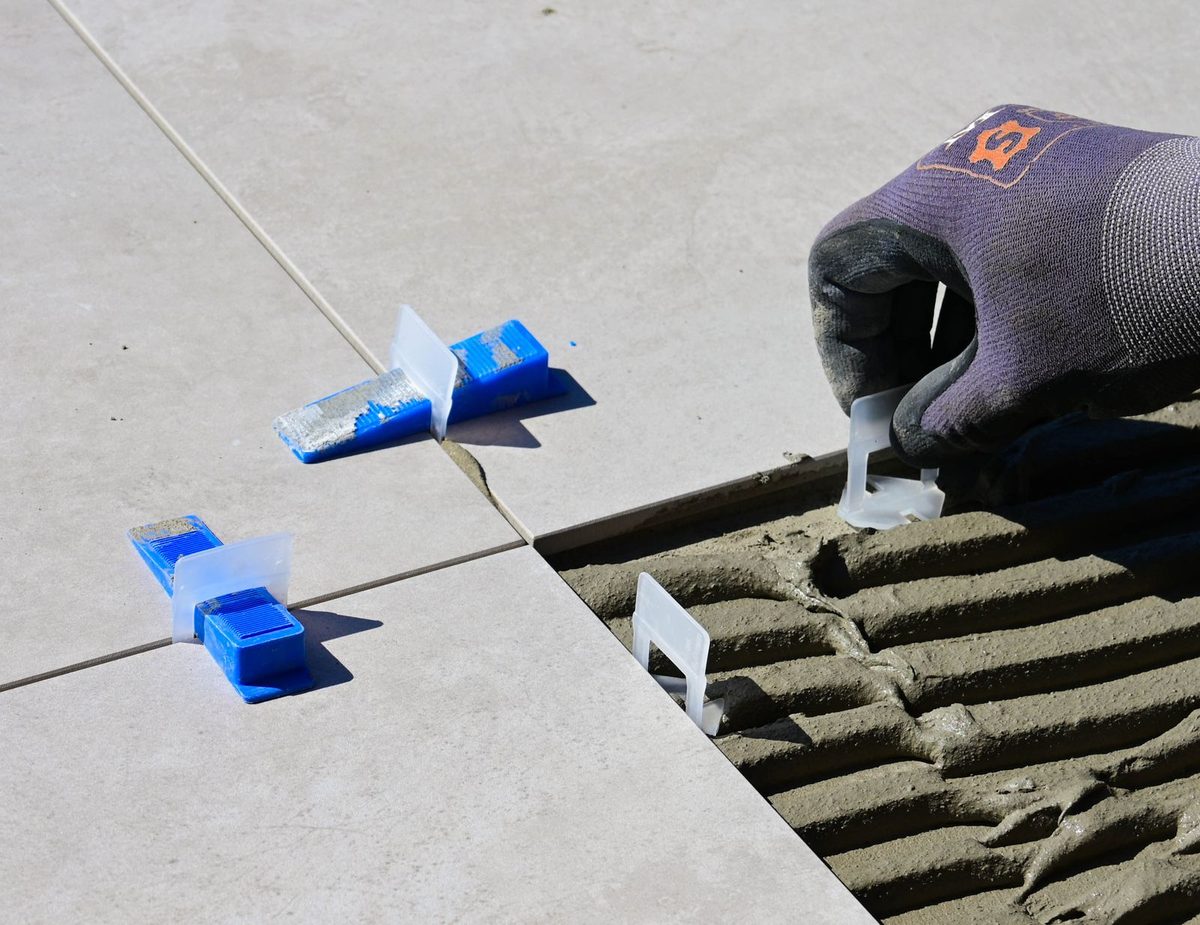
2. Lay with spacers. Dry-lay your pattern, then install using spacers for an even gap on all sides. Peel-and-stick tiles bond immediately, so you can walk on them and grout right after.[1]
3. Choose grout. Premixed grout makes the job easier; epoxy grout is more stain-resistant and needs less upkeep.[1]
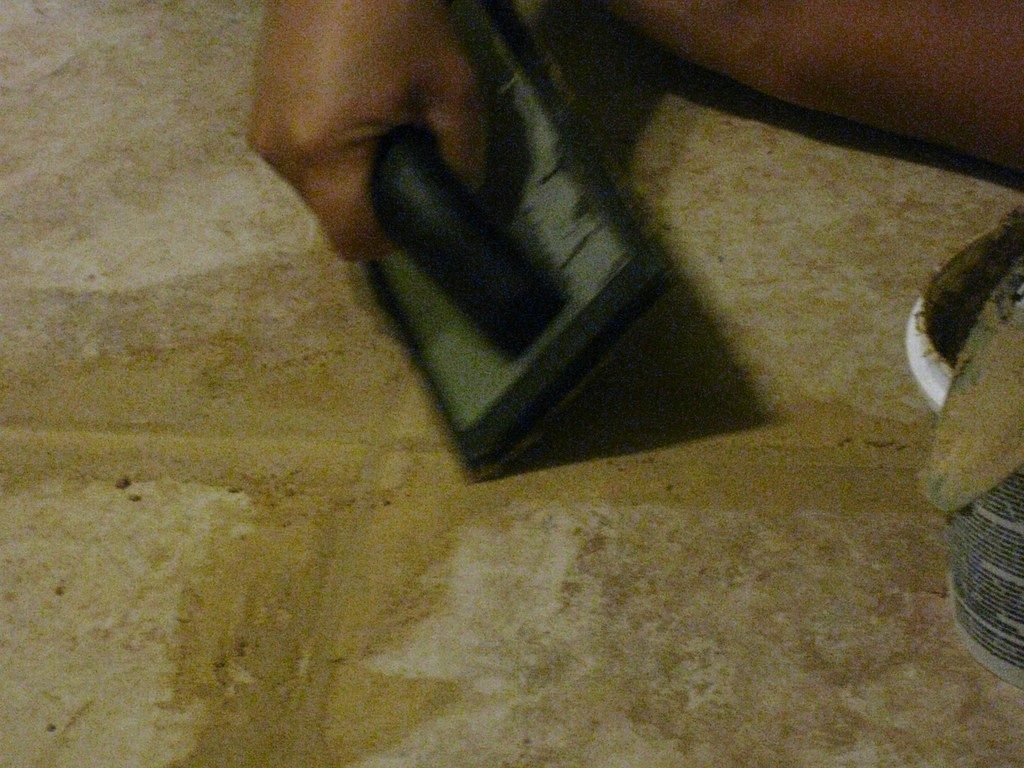
4. Apply. Load a rubber grout float and work grout into the joints, moving back-and-forth and diagonally so each gap fills.[1]
5. Clean up. Wipe excess with a damp tiling sponge, rinsing and wringing often and changing the water as needed.[1]
6. Remove haze. A grout haze can appear within a few days — wipe it off with a damp sponge or terry cloth.[1] Premixed grout often needs no sealing; if yours does, wait at least 48 hours, then seal.[1]
FAQ
Do peel-and-stick tiles need grout?
No. They're made to fit tightly together, so grout is optional and purely a style choice. Many backsplash tiles even have printed grout lines, so they need no real grout.
Can you grout any peel-and-stick tile?
No — only tiles labelled 'groutable' are designed for it. Standard peel-and-stick tiles butt tight and aren't meant to be grouted, so confirm before buying.
Does grouting peel-and-stick tile make it waterproof?
No. Grout here is cosmetic — it gives the look of real tile but isn't a waterproofing step, so don't rely on it for water protection.
What grout do you use on peel-and-stick tile?
Premixed grout is easiest for DIY; epoxy grout is more stain-resistant and lower-maintenance. Use a rubber float to work it into the joints.
Is it harder to remove grouted peel-and-stick tile?
Yes. Once grouted, removing the tiles also means removing the grout, so it's less reversible than a standard tight-butted install.
Sources
- Angi — do peel-and-stick tiles need grout, groutable vs not, and how to grout them. www.angi.com
- WallPops / FloorPops — manufacturer install guide for peel-and-stick vinyl floor tiles (subfloor, acclimation, layout, rolling). www.brewsterwallcovering.com