Can You Put Window Film on Textured Glass?
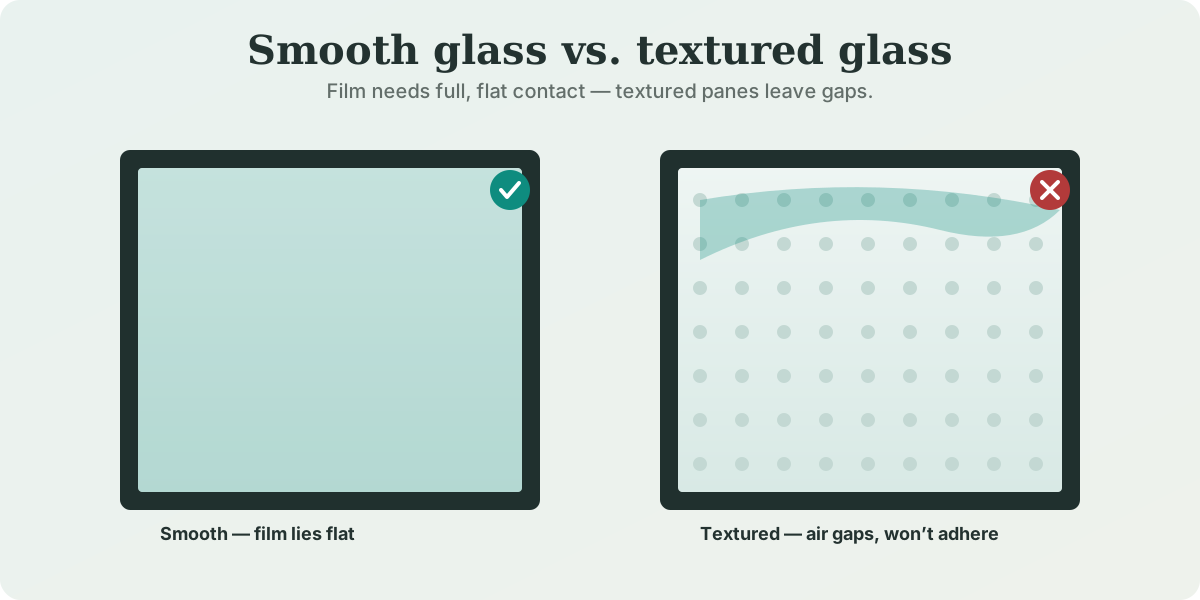
▲ Illustration — window film held against a pebbled/textured pane, showing gaps at the low points.
Usually no. Most window films are made for clean, smooth, flat glass, and several manufacturers state plainly that their film will not adhere to frosted or textured glass — Artscape and Decorative Films require a smooth surface, and Gila lists frosted/etched glass under "do not apply." One blog says it "might" work with variable results. The honest answer depends on the brand and how textured the glass is — but standard film should be treated as smooth-glass only. And textured glass is usually already a privacy surface, so there's little reason to add film on top.
Guidance is compiled from manufacturer installation guides and FAQs and cited in Sources. Some links may be affiliate links (policy).
The short answer, by brand
For standard window film, the answer is usually no — and several manufacturers say so in plain language. Film is engineered for a clean, smooth, flat pane; a textured or frosted surface leaves air gaps the film can't bridge. Here's what the makers' own pages say:
| Source | Textured / frosted glass? | What they say |
|---|---|---|
| Artscape | ❌ No | "The film will not adhere to frosted or textured glass or walls"; needs "clean smooth glass or plexiglass"[1] |
| Gila | ❌ No | "DO NOT apply film to glass containing holes, or frosted, etched, leaded, cracked, deeply scratched, flawed or otherwise defective glass"[2] |
| Decorative Films | ❌ No | "The surface must be totally flat and smooth, otherwise the film will fail to adhere correctly"[3] |
| Avery Dennison | ⚠️ Warranty void | Film-to-glass warranty is invalid when applied to "textured" (and wired/patterned) glass[4] |
| Window Film World | ⚠️ "Maybe" | Film "can be applied" but "effectiveness might vary depending on the texture"[5] |
Why smooth glass matters
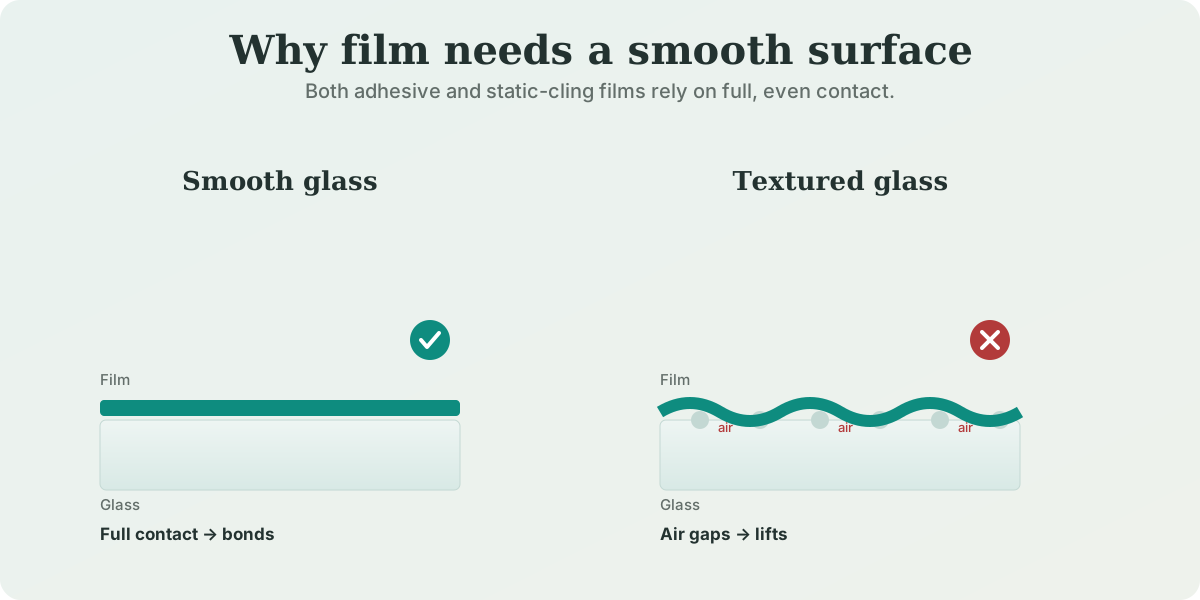
Both film types rely on full, even contact with the glass. Adhesive film bonds to a flat surface; static-cling film holds by water tension and static against a flat surface. A textured, pebbled, rain, or frosted pane only touches the film at its high points, leaving air gaps underneath — so the film either won't stick, traps air, or lifts at the low spots. That's why the "clean, smooth, flat" requirement shows up in nearly every manufacturer instruction sheet.[1][3]
"Textured-look" film is not the same question
This trips people up. Some brands sell decorative "textured" or "frosted" films — rice-paper, rain, cracked-ice, etched looks. Those are applied to smooth glass to create a textured appearance; they are not films for sticking onto glass that is already textured. If your glass is smooth and you want a textured look, those work. If your glass is already pebbled or frosted, that's the compatibility problem above — a different thing entirely.
Does static cling do better than adhesive on textured glass?
It's a reasonable question, but we're not going to assert an answer, because no manufacturer source we found compares the two on textured glass. Mechanically, both need a smooth surface — adhesive to bond, cling to hold by suction/static — so both would be expected to struggle on an uneven surface. Until a maker states otherwise for a specific product, treat "static cling will grip textured glass" as unproven, not a workaround.
What to do instead
If your glass is already frosted or textured, it's usually there for privacy — it's already doing the job film would do, so there's little reason to add film on top. If you want a specific look or added function (UV, glare) on textured glass, contact the film manufacturer for a product rated for your exact surface, and treat any general film as "smooth glass only" unless its own instructions say otherwise. If your glass is smooth and you want a frosted/decorative effect, a decorative film applied to that smooth glass is the right route.
Check your exact glass and film combination
Textured, Low-E and double-pane glass each have rules. See what the sources say before you buy.
Affiliate disclosure: HowToApplyNow may earn a commission from qualifying purchases made through links on this page, at no additional cost to you. Products are added only after we vet the program and the terms — and only when a specific product's own instructions support their use for this task.
How much texture is too much?
The manufacturers draw the line at "smooth and flat," not at a specific depth — there is no official texture threshold. What the primary sources agree on is the direction: film needs even, full contact, and any raised pattern breaks it.
- Artscape, Gila and Decorative Films all require a clean, smooth, flat surface and name frosted, etched or pebbled glass as unsuitable.[1][2][3]
- Avery Dennison's film-to-glass chart voids the film's warranty on patterned or textured glass.[4]
Honestly, degree matters. A very faint matte grain sometimes holds partially — one industry blog says film "can be applied" to some textured surfaces with varying results.[5] But that is a secondary, non-manufacturer view, and partial adhesion is exactly what produces the bubbling, hazing and lifting the makers warn about. The deeper or more patterned the glass — reeded, hammered, cathedral, bark — the more certain the failure, because the film only touches the high points and leaves air gaps between them.
Rule of thumb from the sources: if you can feel a clear pattern or ridges with a fingertip, treat the glass as textured and assume standard film will not hold. If it is near-smooth with only a faint grain, a product may work — but only if that product's own instructions say so. When you are unsure, check your exact glass and film in the compatibility checker or ask the manufacturer.
FAQ
Can you put window film on textured or frosted glass?
Usually not. Several manufacturers — Artscape, Gila and Decorative Films — state their film needs a clean, smooth, flat surface and will not adhere to frosted or textured glass. Results depend on the brand and how textured the glass is, so treat standard film as smooth-glass only unless a product's own instructions say otherwise.
Why won't window film stick to textured glass?
Film needs full, even contact. Adhesive film bonds to a flat surface and static-cling film holds by water tension and static against a flat surface. Textured or pebbled glass only touches the film at its high points, leaving air gaps underneath, so the film won't bond, traps air, or lifts.
Is there a window film made for textured glass?
Decorative 'textured' or 'frosted' films exist, but those are applied to smooth glass to create a textured look — not to stick onto already-textured glass. For film on an existing textured surface, ask the manufacturer for a product rated for your exact glass; don't assume a general film will work.
Does static cling film work better than adhesive on textured glass?
There's no manufacturer source comparing the two on textured glass, so we don't assert it works. Both film types are designed for smooth glass — adhesive to bond, cling to hold by suction — so both would be expected to struggle on an uneven surface.
What is "textured glass film"?
The phrase is used two ways. Most often it means a decorative film that gives a frosted or textured look — but it is applied to smooth glass, not stuck onto already-textured glass. Less often, people mean a film to put on textured glass, which most manufacturers advise against. If you want privacy or a frosted effect, see our frosted & privacy film guide; if your glass is already textured, check the exact combination first.
Can window film go on lightly textured or bumpy glass?
Sometimes, partially — but manufacturers do not promise it. Artscape, Gila and Decorative Films all require a smooth, flat surface, and Avery Dennison voids the warranty on patterned glass. A very faint matte grain may let a product hold if its own instructions allow it, but any real ridge or pattern leaves air gaps that cause bubbling and lifting. If you can feel the texture with a fingertip, treat it as unsuitable.
Sources
Research-first: manufacturer installation instructions and FAQs say film needs a smooth surface; one industry warranty chart and one brand blog are labeled where used. We do not assert a static-cling-vs-adhesive difference on textured glass because no manufacturer source states one.
- Artscape — Window film installation instructions & FAQ ("will not adhere to frosted or textured glass or walls"; needs "clean smooth glass or plexiglass"). artscape-inc.com
- Gila — Decorative & heat-control installation instructions ("DO NOT apply film to glass containing holes, or frosted, etched, leaded, cracked… glass"). gilafilms.com
- Decorative Films — FAQs ("the surface must be totally flat and smooth, otherwise the film will fail to adhere correctly"). decorativefilm.com
- Avery Dennison — Film-to-glass application/warranty chart — industry (warranty invalid on textured, wired and patterned glass). graphics.averydennison.com
- Window Film World — Blog — secondary/brand blog ("can be applied" to textured/frosted surfaces but "effectiveness might vary depending on the texture"). windowfilmworld.com
Sources split (three say "won't adhere," one voids warranty, one says "maybe, variable") — the split is shown and tied to how textured the glass is, not resolved into a single yes/no. Sources last reviewed: August 2026.