How to Remove Peel-and-Stick Tile Without Damaging the Wall
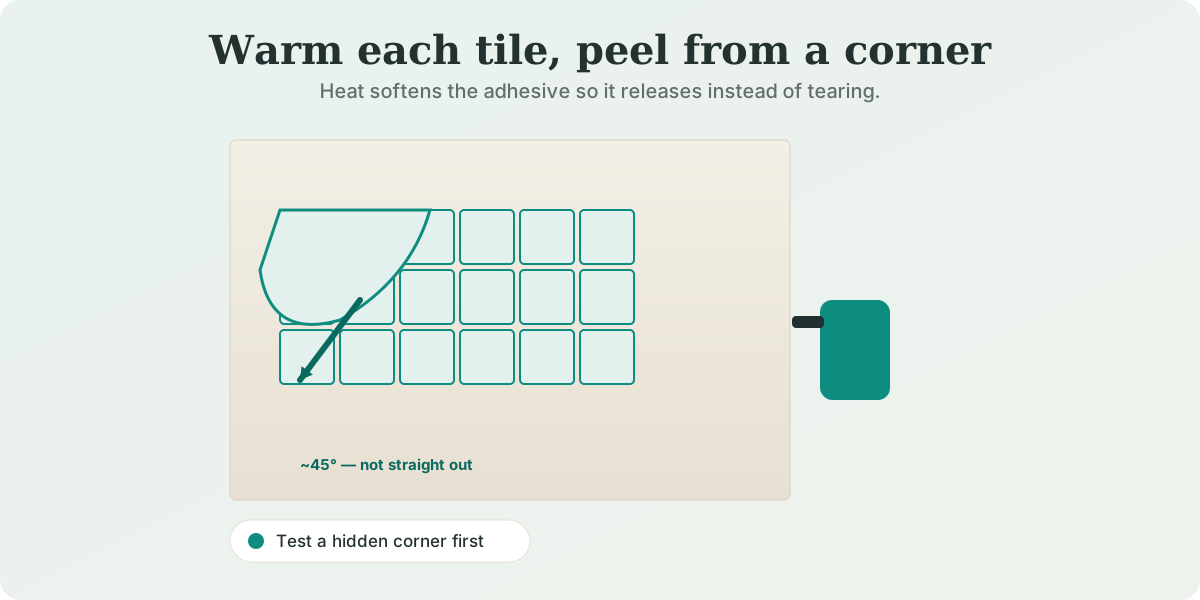
▲ Illustration — warming a tile with a hair dryer, then peeling it slowly from the corner.
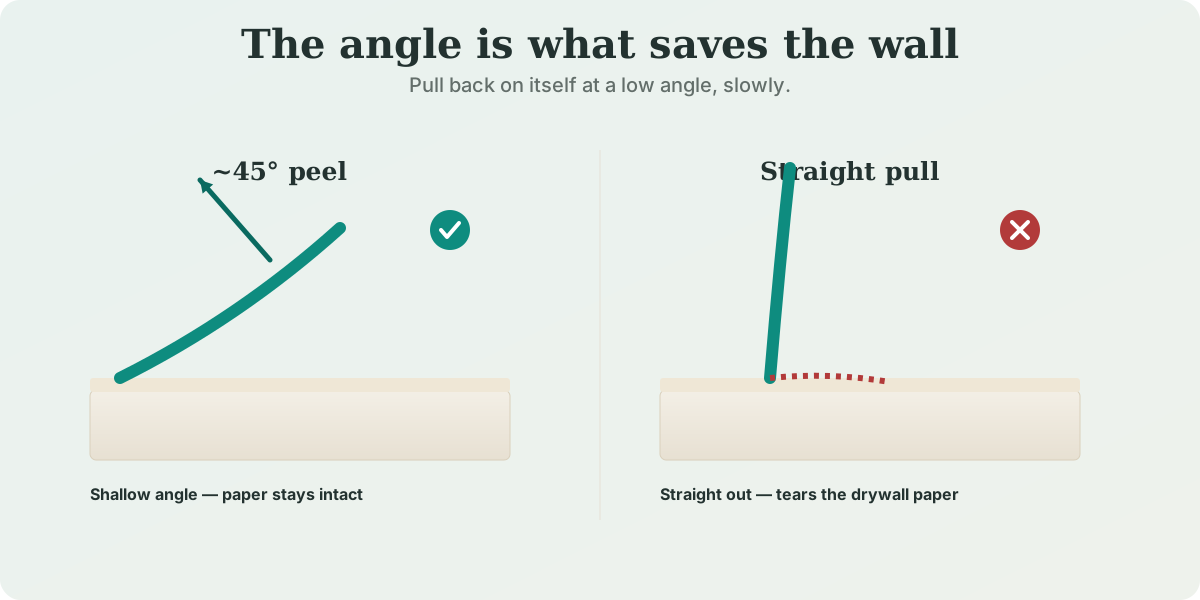
Removing peel-and-stick tile cleanly is about heat and patience: warm each tile with a hair dryer to soften the adhesive, then peel slowly from a corner at about a 45° angle (never straight out, which tears drywall paper), easing a putty knife behind stubborn ones. Clean residue with a citrus remover on a cloth. It comes off cleanest on smooth, fully-cured, glossy walls; on flat, fresh or textured paint it can lift — so test a hidden spot first.
Guidance is compiled from manufacturer FAQs and removal instructions, cited in Sources.
Step-by-step removal
Test a hidden corner first
Before removing a whole wall, lift one tile in an out-of-the-way spot to see how your paint reacts — Tic Tac Tiles advises testing first, because paint can come off with the adhesive on some surfaces.[2]
Peel slowly from a corner at a shallow angle
Lift a corner and pull slowly back on itself at about a 45° angle. Don't pull straight out from the wall — that's what tears the drywall's paper face.[5]
Ease a putty knife behind stubborn tiles
For stronger adhesives or tiles that have been up a while, work a plastic putty knife behind the tile as you peel. Aspect's adhesive in particular is engineered not to let go easily.[4]
Spot-check and touch up
Inspect for any lifted paint or torn paper, and touch up with matching paint or a little spackle if needed.
Getting the sticky residue off
Adhesive left behind lifts with heat and a gentle solvent, not scrubbing. Warm it with the hair dryer again, wipe with warm soapy water, and for stubborn spots put a citrus-based remover on a cloth and hold it against the residue before wiping — apply it to the cloth, not straight onto the paint, so you don't soak and soften the drywall.[1][5]
If you're a renter
Brands market these tiles as tenant-friendly, but pair that with the "depending on the surface" hedge, and Aspect explicitly states it is "not responsible or liable if you damage your walls."[4] The honest expectation: clean removal on a smooth, cured, glossy wall; a higher chance of pulling paint on the flat builder-grade paint common in rentals. Test first, and keep a little matching paint on hand.
What you may need
The cleanest removals use a hair dryer or low heat, a plastic putty knife, and a gentle citrus adhesive remover — plus a little touch-up paint.
- Plastic putty knife / scraper
- Citrus-based adhesive remover
- Mild cleaner for residue
- Touch-up paint or spackle
Affiliate disclosure: HowToApplyNow may earn a commission from qualifying purchases made through links on this page, at no additional cost to you. Products are added only after we vet the program and the terms — and only when a specific product's own instructions support their use for this task.
FAQ
How do you remove peel-and-stick tile without damaging the wall?
Warm each tile with a hair dryer to soften the adhesive, then peel slowly from a corner at about a 45° angle (not straight out, which tears drywall paper). Use a putty knife for stubborn tiles and clean residue with a citrus remover on a cloth.
Will removing it pull the paint off?
It can, depending on the surface. Smooth, fully-cured glossy or semi-gloss paint usually releases cleanly; flat/matte, fresh or textured paint is more likely to lift. Test a hidden spot first.
How do I get the sticky residue off?
Warm it, wipe with warm soapy water, and for stubborn spots put a citrus-based adhesive remover on a cloth and hold it against the residue — apply it to the cloth, not directly onto the wall.
Is peel-and-stick tile safe for renters to remove?
Often, on a smooth, cured, glossy wall — but brands hedge every claim with 'depending on the surface,' and Aspect disclaims liability for wall damage. On common flat rental paint the risk is higher, so test first and keep matching paint on hand.
Sources
Research-first: primary manufacturer FAQs/removal pages; one manufacturer blog labeled where used for technique detail.
- Smart Tiles — FAQ (removable "practically without damage, depending on the surface"; heat each tile with a hairdryer first; wash off residue). thesmarttiles.com
- Tic Tac Tiles — FAQ ("little to no damage depending on the surface"; "wallpaper and paint may come off"; heat-gun method; test first). tictactiles.com
- StickGoo — Buying guide ("little to no damage, depending on the surface"; blow-dryer method; full adhesion after ~48 hours). stickgoo.com
- Aspect — FAQ (adhesive "engineered not to be removed"; damage "possible… repairs may be necessary"; "not responsible or liable if you damage your walls"; putty-knife method). aspectideas.com
- Stickwoll — Removal guide — brand blog (peel from a corner at 45° to avoid tearing drywall paper; gloss/semi-gloss releases better than flat/matte; residue cleanup ladder). stickwoll.com
Removal claims range from "practically without damage" (hedged) to Aspect's liability disclaimer — the range is shown, not smoothed over. Sources last reviewed: August 2026.