How Long Does Peel-and-Stick Wallpaper Last?
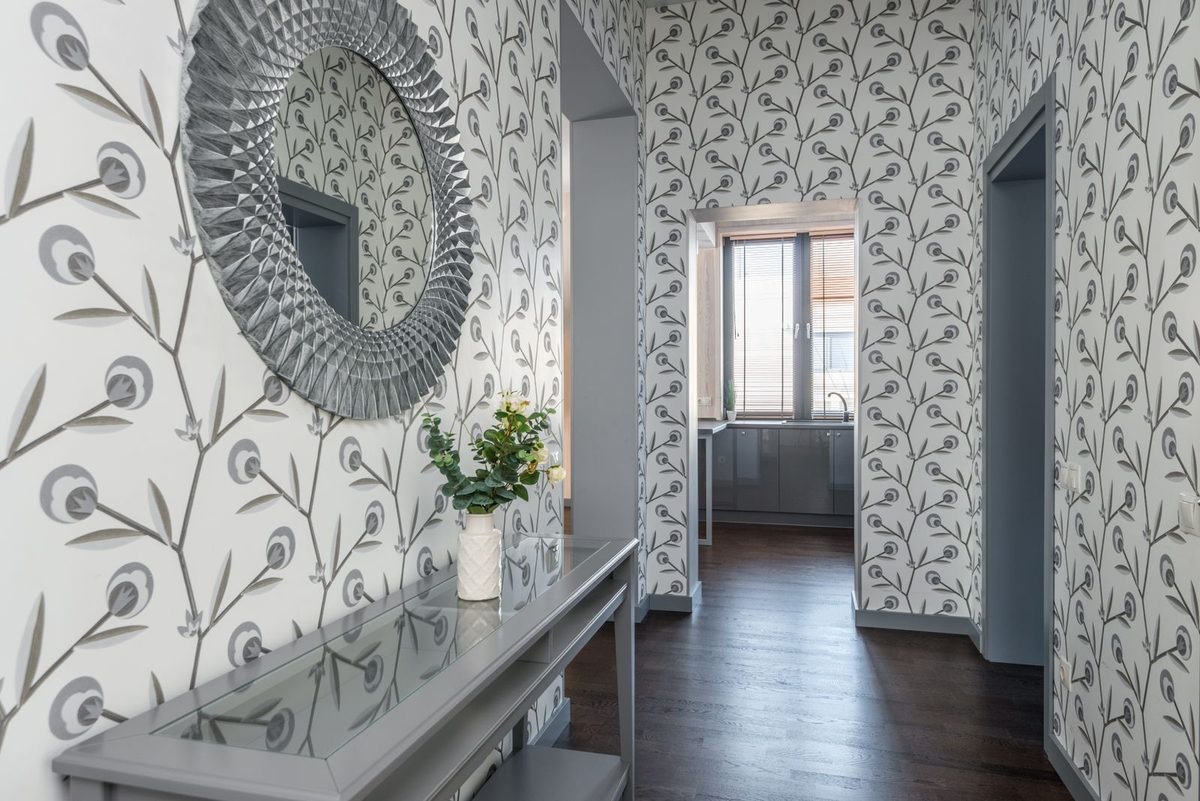
On walls, peel-and-stick wallpaper lasts about 3–5 years if it’s thin, cheap or poorly installed, and 5–7 years or more — sometimes over a decade — if it’s quality paper, installed right and well cared for.[1] As flooring it lasts far less (roughly 1 year thin, 3 years quality, up to ~10 if sealed).[1] Lifespan is set by quality, wall prep, paint compatibility, humidity and temperature — not the label.[1]
Guidance is compiled from manufacturer instructions and reputable home-improvement sources, cited in Sources.
How long does it last on walls?
There’s a clear split by quality. Thin, old, cheap or poorly-installed paper lasts around 3–5 years; high-quality, modern paper installed correctly and cared for lasts 5–7 years or more, and possibly over a decade.[1] Modern versions last noticeably longer than early peel-and-stick, which used to tap out around five years.[1]
And as flooring?
Much less — floors take abuse. Thin paper lasts about a year, quality paper about three years, and paper sealed with an acrylic sealant up to about ten.[1] Foot traffic is especially hard on it,[1] so if you’re tiling a floor, see our peel-and-stick floor tile guide for a sturdier option.
What shortens its life
The usual culprits: foot traffic (on floors), thin material or weak adhesive from unknown brands, paint it isn’t compatible with (some papers only hold on eggshell, satin or semi-gloss), dirty or damp walls that weren’t dried before install, humidity in kitchens or baths unless the paper is moisture-resistant, and temperature swings that weaken the adhesive.[1]
What extends it
You control most of this: buy a reputable brand with sturdier material; check paint compatibility and follow the install steps; clean the wall and let it dry (ideally overnight); smooth out every bubble; choose washable or moisture-resistant paper where it’s humid; clean gently with mild dish soap and a soft sponge; keep a steady room temperature; and seal it if it’s used as flooring.[1] The manufacturer’s own longevity tips echo this — clean the wall, wipe it with a 1:1 alcohol-and-water solution, and smooth the paper down well.[2]
Signs it's time to replace it
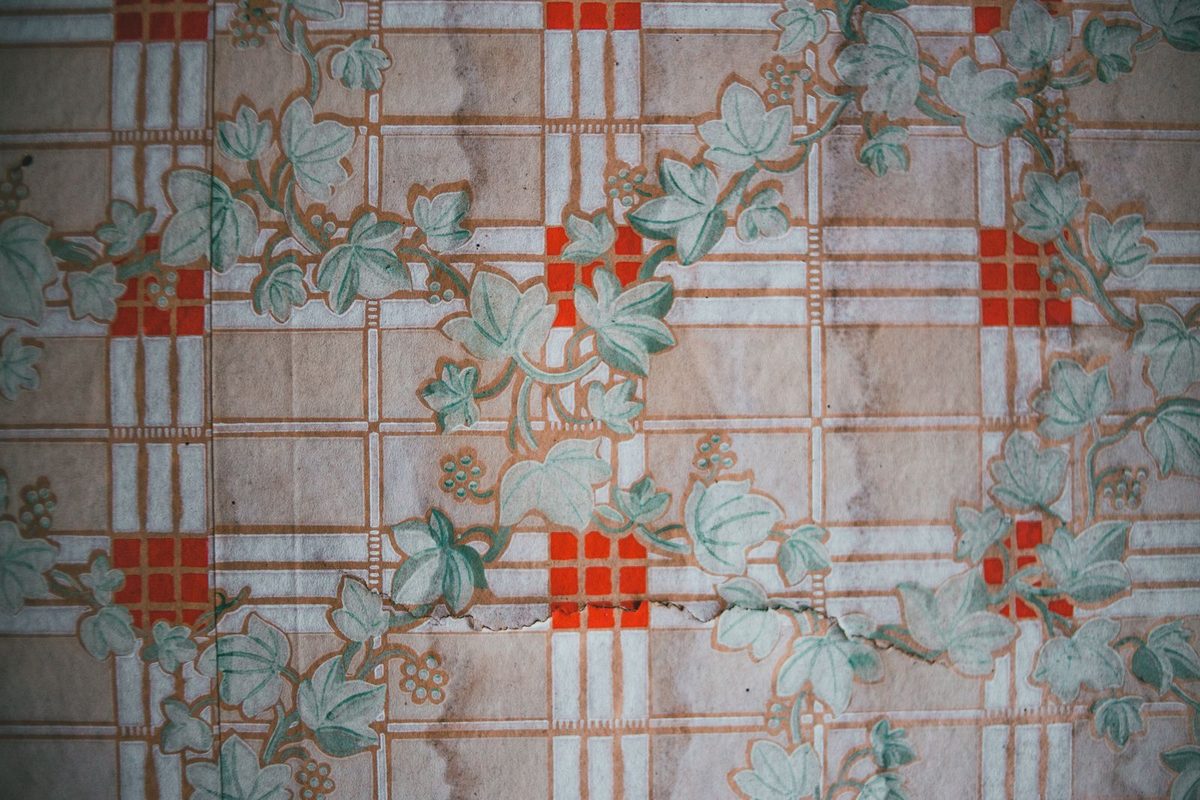
Watch for peeling, cracking, fading or ripping, and for adhesive that’s worn out so the paper no longer sticks — at that point it needs a fresh sheet.[1] If a recently-installed piece is lifting, you can often rescue it: clean the wall with an alcohol-and-water mix and reapply.[1] (If a whole wall is letting go, our falling-off guide runs through the causes.)
FAQ
How long does peel-and-stick wallpaper last?
On walls, about 3-5 years for thin or poorly-installed paper and 5-7 years or more (sometimes over a decade) for quality paper installed correctly and cared for.
How long does peel-and-stick wallpaper last as flooring?
Less than on walls: roughly 1 year for thin paper, about 3 years for quality paper, and up to about 10 years if it's sealed with an acrylic sealant.
What makes peel-and-stick wallpaper last longer?
A reputable, sturdier brand; compatible paint; a clean, fully dried wall; smoothing out bubbles; moisture-resistant paper in humid rooms; gentle cleaning; and a steady room temperature.
What shortens the life of peel-and-stick wallpaper?
Thin material or weak adhesive, incompatible paint, dirty or damp walls, humidity in kitchens and baths (unless moisture-resistant), temperature swings, and foot traffic on floors.
When should you replace peel-and-stick wallpaper?
When it's peeling, cracking, fading or ripping, or the adhesive has worn out so it no longer sticks. A recently-installed piece that's lifting can often be cleaned with alcohol-and-water and reapplied.
Sources
- Angi — how long peel-and-stick wallpaper lasts, what shortens and extends it, signs to replace. angi.com
- Tempaper — manufacturer install guide (clean wall, alcohol wipe, smooth bubbles) — longevity factors. tempaper.com